In my last post, I wrote about how sports organizations navigate political controversy on the world stage. The Milano Cortina 2026 Winter Olympics provided a recent example of the challenge. I will be examining it from a PR perspective.
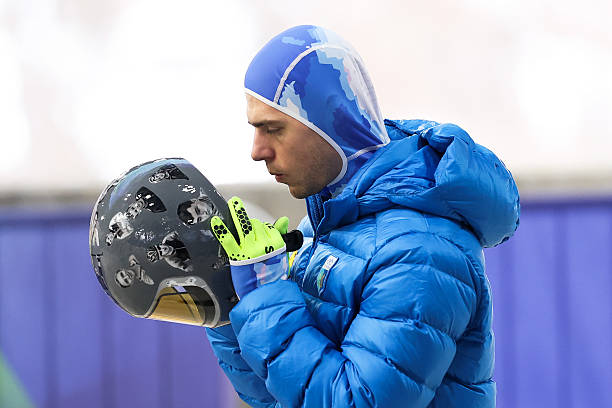
Ukrainian skeleton racer Vladyslav Heraskevych arrived at the Games a helmet that displayed the faces of more than 20 Ukrainian athletes and coaches killed since Russia’s full-scale invasion of Ukraine in 2022. Heraskevych, who also served as Ukraine’s flag bearer at the opening ceremony, wore it during training runs in the days before his event.
The Rule and the Response
The IOC cited the Olympic Charter’s ban on political speech, classifying the helmet as a prohibited political demonstration under Rule 50. The organization offered alternatives: he could wear the helmet during training and display it immediately after competition, or wear a black armband as a symbol of national mourning. He declined both. Posting on Instagram after he was excluded from competition, Heraskevych said “this is the price of our dignity,” and maintained that the IOC had allowed other athletes to express themselves without facing the same consequences. “I see big inconsistencies in decisions, in the wording, in the press conferences of the IOC, and I believe it’s the biggest problem that it’s inconsistent,” he said. Time
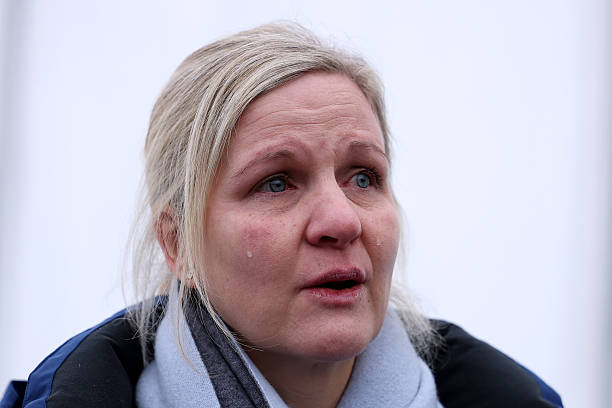
IOC President Kirsty Coventry traveled to Cortina personally on the morning of his event in a final attempt to find a compromise. No agreement was reached, and Heraskevych was disqualified. A teary-eyed Coventry spoke to reporters afterward, saying she had not planned to be there, but felt it was important to speak with him directly. She was clear that no one disagreed with the message — describing it as powerful and meaningful — but maintained that the challenge was finding a solution for the field of play. “Sadly, we’ve not been able to come to that solution. I really wanted to see him race today. It’s been an emotional morning,” she said. Heraskevych subsequently appealed to the Court of Arbitration for Sport, which ruled against him, ending his final opportunity to compete. NPR, NBC
The PR Problem
The way the IOC handled this situation illustrates exactly the kind of no-win communications scenario that major sporting organizations have to deal with. Rule 50 exists for a reason, the prohibition on political expression on the field of play is foundational to how the Olympics maintains participation from countries with complicated political systems. Applying it inconsistently would create even more problems.
The images on Heraskevych’s helmet were not a political slogan or a call to action. They were photographs of people who died. From a PR perspective, that’s an important distinction. The IOC maintained that their issue was not with the message itself, but with where he chose to display it. In a strictly institutional sense, that argument holds. But for the general public watching, separating the location of a tribute from the tribute itself is not a line that lands easily, particularly when the people in those photographs were killed in a war that is still ongoing.
The Takeaway
The Heraskevych story demonstrates is that transparency and genuine human engagement can do meaningful work even when the institutional outcome is not what audiences would have chosen. Coventry showing up in person and publicly acknowledging the power of the message demonstrated that the decision was not made lightly, and that matters in how the public views an institution’s response. Audiences can often accept an outcome they disagree with if they believe the people behind it genuinely grappled with it. What they struggle to forgive is indifference. For sports PR practitioners, that distinction is crucial.


Leave a Reply