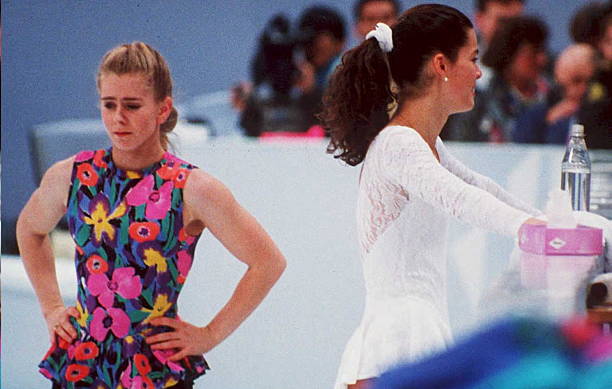
Long before social media could turn a controversy into a global conversation overnight, one story managed to do it anyway. The 1994 attack on figure skater Nancy Kerrigan — and the involvement of her rival Tonya Harding — became one of the most heavily covered sports scandals in history, and its impact on how media and public relations intersect in sports is still worth examining today.
What Happened
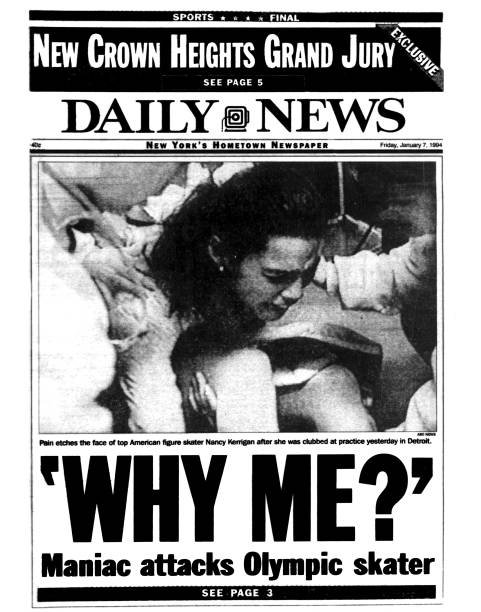
On January 6, 1994, Kerrigan was attacked after a practice session at the U.S. Figure Skating Championships in Detroit. A man hired by Harding’s ex-husband struck her in the knee with a baton, injuring her badly enough that she could not compete. Within days, investigators began connecting the attack to Harding’s inner circle, and the story exploded into something far larger than a sports news item. Known as “the whack heard ’round the world,” it became one of the most infamous scandals in sports history and forever linked the two skaters in the public imagination. Britannica
Harding initially denied any involvement, but later pleaded guilty to conspiring to hinder prosecution, meaning she knew about the attack after the fact, helped construct a cover story, and lied to investigators. She received three years probation, 500 hours of community service, a $160,000 fine, and was banned from U.S. Figure Skating Association events for life.
Two Narratives, Two Very Different Outcomes
From a PR standpoint, what makes this case so interesting is not just what happened but how the media chose to frame it — and how those frames shaped public perception of both women for decades.
Kerrigan’s image was carefully and consistently managed in the aftermath of the attack. She was positioned as a sympathetic, elegant victim — the girl next door who had been wronged. That narrative was reinforced visually, emotionally, and repeatedly in media coverage, and it carried her through the 1994 Lillehammer Olympics, where she won a silver medal. Whether that image management was deliberate or organic, it worked. Kerrigan emerged from the scandal with her reputation intact.
Harding’s situation was the opposite. The media drew sharp contrasts between the two women — their backgrounds, their appearances, their skating styles — and Harding consistently came out on the wrong side of those comparisons. While Kerrigan’s suffering made her an even more beloved figure, talk began to swirl almost immediately that Harding was implicated in the crime. The narrative hardened fast, and so did Harding’s reputation.. Time
The Media’s Role in Shaping the Story
What this case illustrates particularly well is how much the framing of a story matters in a crisis. As Refinery29 reported in an analysis of the media coverage, outlets like Newsweek were already turning the two skaters into characters while the story was still unfolding — rushing past the facts of the attack to build a fable around the two women as opposing symbols. That kind of storytelling, once it takes hold, is almost impossible to correct through conventional PR means. Refinery29
For sports PR professionals, this is a meaningful lesson. In a crisis, the first narrative that reaches the public tends to stick. Harding’s team had very little time and very few tools to counter a media environment that had already decided what the story was. The contrast with Kerrigan’s carefully maintained image makes clear how much deliberate communication strategy, or the absence thereof, can shape long-term public perception.
A Story That Still Resonates
The 2017 film I, Tonya brought renewed attention to the events and complicated the public’s understanding of Harding’s role, prompting many to reconsider how she had been portrayed. That kind of reexamination, more than 20 years later, speaks to how powerful the original media narrative was and how long it took to unravel, even partially.
For anyone working in sports communications, the Harding and Kerrigan story remains one of the clearest examples of what happens when crisis communication is absent, reactive, or simply overwhelmed by the speed and appetite of the media. The story moved faster than anyone could manage it, and the reputational consequences for both women lasted for decades.


Leave a Reply