For sports PR teams, the end of a season does not mean the end of their work. While the games stop, the pressure to maintain audience attention does not. Social media has become the primary tool teams use to stay relevant during the months when there is no live action to fall back on, and the strategies behind that effort are more deliberate than most fans realize.
Why the Offseason Is a PR Challenge
During a season, sports PR content generally creates itself. There are games to recap, highlights to share, and storylines to follow in real time. The offseason strips all of that away. Without a built-in content calendar, social media teams have to work harder to give fans a reason to stay engaged. According to Deloitte research, 65 percent of fans want some form of content or information from their team at least monthly during the offseason, which means there is audience demand, but it has to be earned with the right kind of content.Deloitte
Offseason content has a larger impact than you would think. Deloitte’s findings show that fans who engage with their team in the offseason, even just once a month, spend 40 percent more on tickets and merchandise during the season than fans who have no offseason engagement at all. From a communications standpoint, that makes offseason content less of a nice-to-have and more of a necessary business strategy. Deloitte
Behind the Scenes and Beyond the Game
One of the most consistent offseason tactics across professional sports is behind-the-scenes content, giving fans a glimpse into the side of a team they do not normally see. Locker room footage, training camp coverage, and player personality content all perform well because they offer something that game-day highlights cannot: a more personal connection to the athletes themselves.
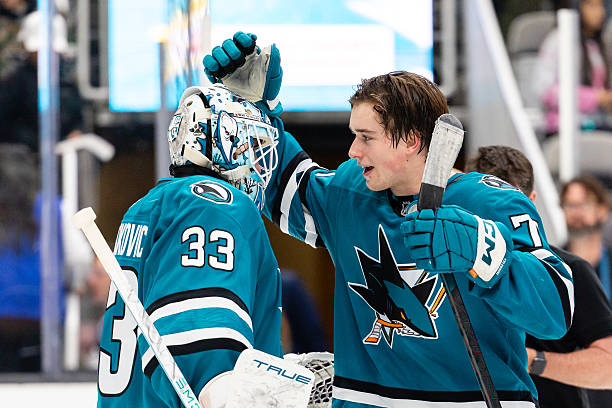
A recent example of this came from the San Jose Sharks, who posted an Instagram reel of star rookie Macklin Celebrini and goaltender Alex Nedeljkovic playing the mobile game Heads Up together, guessing songs based on their teammate’s clues. It is a simple concept, there are no talking points, no polished production value, just two teammates being genuinely funny and comfortable with each other. For fans who follow Celebrini closely, and after his record-breaking season, there are a lot of them, it is the kind of content that deepens that connection in a way a highlight reel never could. @SanJoseSharks via Instagram
That is the underlying logic behind most effective offseason social content. As New York Liberty social media coordinator Charlie DeSadier put it, the goal is to make sure fans do not forget about you in the offseason and to keep delivering content worth paying attention to even when there are no games to anchor it. The Sharks’ Heads Up video does exactly that. Marketing Brew
Crossing Over Into Culture
Some of the most effective offseason content steps outside of sports entirely. The New York Liberty generated strong engagement when they had players weigh in on the Drake and Kendrick Lamar beef, pulling in pop culture fans who might not otherwise have come across the team’s content. The Chicago Bulls took a similar approach, sending their mascot Benny the Bull to Lollapalooza during a Billie Eilish performance in which she wore a Bulls jersey, generating visibility among a music-focused audience. Marketing Brew
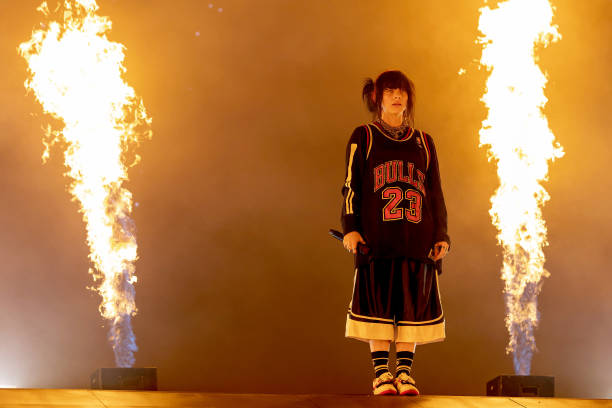
These examples reflect a deliberate strategy of meeting audiences where they already are, rather than waiting for fans to come to the team. For sports PR practitioners, this kind of cultural crossover content represents one of the more creative challenges of the job, which is identifying moments that feel natural and authentic rather than forced, and finding ways to insert a team into broader conversations without it feeling like a stretch.
The PR Takeaway
What ties all of these examples together is a consistent underlying idea: humanizing the people behind the team. Research from Deloitte Digital found that social media users now follow an average of 13 creators, but only seven brands, and that more than a third of fans want to see teams showcase fan-created content and partner with creators rather than relying solely on brand-owned posts. Audiences are gravitating toward content that feels personal and real, and the teams that understand that are the ones maintaining meaningful engagement in the off-season.Deloitte
The Sharks did not need a big production budget or a carefully scripted campaign to keep their audience engaged this week. They just needed Celebrini and Nedeljkovic, a phone, and a game of Heads Up. Sometimes the most effective PR is that straightforward.


Leave a Reply