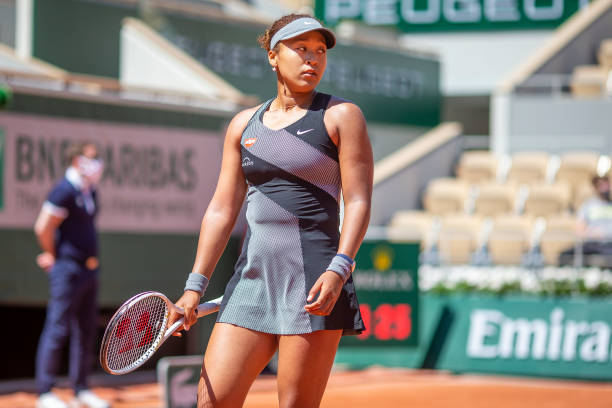
The expectation placed on professional athletes has long extended beyond their performance. Athletes are expected to be available — to the media, to their organizations, and to the public — regardless of what they may be dealing with personally. This expectation was challenged in a significant way in 2021, when two of the most high-profile athletes in the world stepped back from competition to prioritize their mental health, and sports organizations were forced to respond in real time.
Naomi Osaka and the Press Conference Problem
In May 2021, Naomi Osaka announced before the French Open that she would not be participating in post-match press conferences. She described the mandatory media appearances as causing “huge waves of anxiety,” and compared requiring athletes to speak about their losses immediately after a match to kicking someone when they’re down. Tournament organizers responded by fining her $15,000 and threatening more severe punishment if she continued. She withdrew from the tournament shortly after and stepped away from competition for several months. CBS News
From a public relations perspective, the institutional response was a missed opportunity. By treating Osaka’s disclosure primarily as a rule violation, the French Open’s governing bodies centered media access over athlete wellbeing — a framing that generated immediate public backlash. Osaka later asked sports organizations to consider allowing athletes designated days where they could forego media obligations without penalty, and called on the press for more empathy in how they approach athletes who are clearly struggling. The fact that those proposals came from the athlete rather than from the organizations responsible for her wellbeing was telling. It reflected a gap between what athletes needed and what institutions were prepared to offer. Scroll.in
Simone Biles and the Weight of Expectation
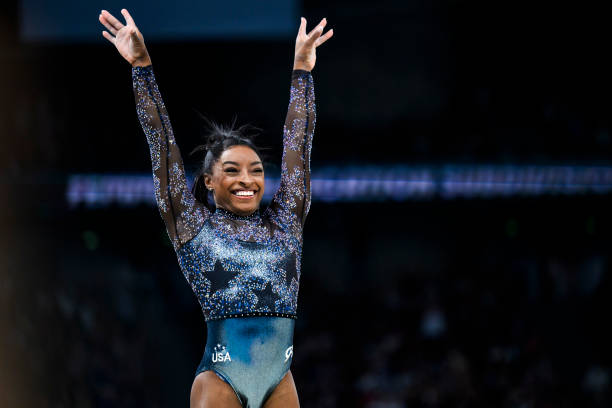
Two months later, Simone Biles withdrew from the team gymnastics final at the Tokyo Olympics. She cited the mental and emotional strain of competition, and was candid about the physical risk of performing high-difficulty gymnastics routines without being fully present, noting that a mistake in her sport could result in serious injury. She received massive amounts of support from fellow athletes, but the reaction from parts of the media and public was more divided. Deseret News
What made Biles’ moment particularly significant from a communications standpoint was its reach. Analytics from NewsWhip showed that coverage of her withdrawal generated more social media interaction than Meghan Markle and Prince Harry’s interview with Oprah Winfrey, or Osaka’s French Open withdrawal earlier that same year. Sports organizations could no longer position athlete mental health as a secondary concern. The public was paying attention, and institutional responses were being evaluated accordingly. Time
Following Biles’ withdrawal, an IOC spokesperson acknowledged that more could be done on athlete mental health, pointing to a mental health toolkit the organization had launched earlier that year and a certification program designed to help teams identify concerns in their athletes. The acknowledgment was meaningful, though the timing highlighted something worth noting — the response came after, not before, a very public crisis. World Economic Forum
What This Means for Sports PR
The combined impact of these two moments pushed a real conversation about how sports organizations communicate around athlete wellbeing. For a long time, institutional messaging in sports was built almost entirely around performance and results. Osaka and Biles introduced a different kind of narrative: one where stepping back was an act of self-awareness rather than failure.
For sports PR practitioners, being prepared to respond to mental health disclosures thoughtfully, rather than defensively, is an increasingly important part of the job. So is building communication strategies that treat athletes as full people rather than simply as performers. How an organization handles a moment like the ones Osaka and Biles created reflects directly on its values, which audiences notice. As Biles put it, “Put mental health first, because if you don’t, then you’re not going to enjoy your sport and you’re not going to succeed as much as you want to.” The organizations that surround athletes are still catching up to what that actually means in practice. NBC News


Leave a Reply