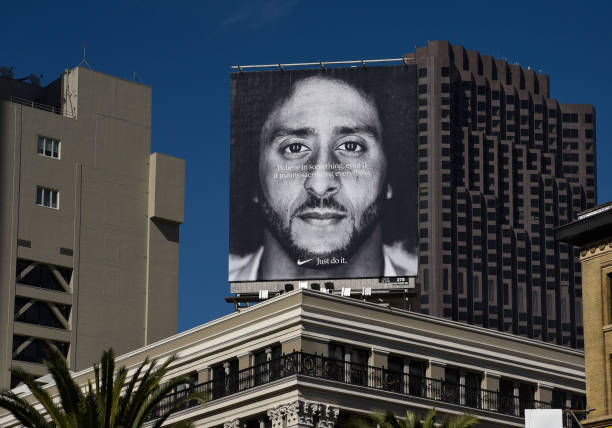
Corporate social responsibility (CSR) is a phrase that gets used a lot in communications. Organizations release statements, post graphics, and update their websites — and then, often, nothing changes. What makes Nike’s relationship with Colin Kaepernick worth studying is that it represents the opposite of that pattern. It is one of the clearest examples in recent sports history of a brand putting genuine weight behind a values-driven decision, accepting real risk, and following through when it would have been easier not to.
Who Is Colin Kaepernick?
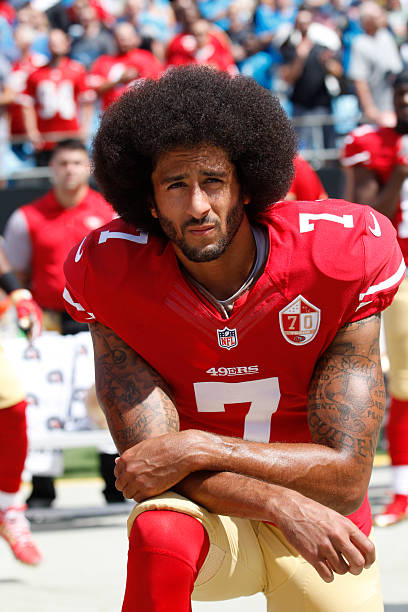
Colin Kaepernick spent six seasons as the quarterback for the San Francisco 49ers, leading the team to the Super Bowl in 2013. But it’s what he did off the field that made him one of the most significant and controversial figures in modern U.S. sports. During a preseason game in 2016, Kaepernick chose not to kneel during the national anthem as a protest against racial injustice and police brutality. The gesture was quiet, but the response was anything but. The protest spread across the league, drawing both widespread support from players and intense backlash from fans, media figures, and politicians. After the 2016 season, Kaepernick became a free agent and was never signed by another NFL team. He has alleged that the league colluded to keep him off the field as punishment for his role in the protests. Whether or not that was true, the effect was clear: one of the most visible athletes in the country had effectively lost his career over a silent act of protest. That is the context in which Nike made its decision. NPR
The Campaign
Nike had been paying Kaepernick since 2011, and quietly kept him on its endorsement roster even during the two years he went unused in their campaigns — years when he had become one of the most polarizing figures in American sports. In September 2018, the company made him the face of the 30th anniversary of its “Just Do It” campaign, with an image that carried the message “Believe in something. Even if it means sacrificing everything.” The timing was deliberate. Nike stepped in publicly at exactly the moment the NFL was stepping back. ESPN ScienceDirect
The campaign was risky. Nike’s leadership knew Kaepernick’s protest could alienate parts of its consumer base, and they moved forward anyway. There was immediate backlash, particularly on social media. People posted videos destroying their Nike products with the hashtag #JustBurnIt. The decision also drew criticism from political figures including Trump, who was the sitting president. Penn State. But the ad generated record social media engagement and helped send Nike’s stock to record highs, with quarterly sales jumping 10% year over year and beating analyst expectations. The boycott eventually fizzled out. Korn Ferry.
What Made It Work
The reason this campaign succeeded where so many corporate social responsibility efforts fall flat comes down to one thing: Nike did not just use Kaepernick’s image for this campaign. They actually supported him, and continued to do so. Nike donated to his Know Your Rights campaign and developed new Kaepernick apparel as part of the rollout. That distinction is important in public relations. Audiences, especially younger ones, are increasingly perceptive of performative support, and they respond very differently to brands that demonstrate consistency between what they say and what they do. NPR
Nike’s authenticity was tested again in 2019. When Kaepernick reached out to Nike regarding concerns about an upcoming Air Max release featuring the Betsy Ross flag, explaining that the design was associated with an era of slavery and had been appropriated by white nationalist groups. Nike pulled the shoe entirely, recalling units that had already shipped to retailers. The political backlash was swift, but Chris Allieri, the founder of the PR firm Mulberry & Astor, noted that it would have been “completely hypocritical” for Nike not to listen to someone who had contributed so much to the brand. Nike had built a public relationship with Kaepernick around the idea that they stood behind his values. Ignoring his concerns about a product would have undermined everything the campaign stood for. PBS
The PR Takeaway
From a communications standpoint, this partnership offers an important lesson: if you align your brand with a spokesperson, you have to actually stand behind them. Campaigns that invoke social issues for visibility without backing them up with action tend to generate exactly the kind of skepticism that damages brand trust over time. Nike’s Kaepernick strategy worked because the actions matched the message at every step: the campaign, the financial support, the product recall.As Divina Gamble, senior client partner and co-leader of Korn Ferry’s nonprofit practice, put it at the time, people are increasingly looking to corporations to reflect their values and act as leaders on social issues, and that expectation has only grown since 2018. Korn Ferry. For sports PR professionals, this case is a reminder that the most credible form of corporate social responsibility is not a statement. It is a pattern of decisions made consistently over time, even when those decisions come at a cost.


Leave a Reply